
Study how different 3D printed lattice structures affect acoustic damping
Experiment design
Design the Lattices
Print the Samples
Build the Test Enclosure
Set Up Measurement
Run the Trials
Calculate Results
Analyze & Conclude

Phone enclosure
Phone speaker direction
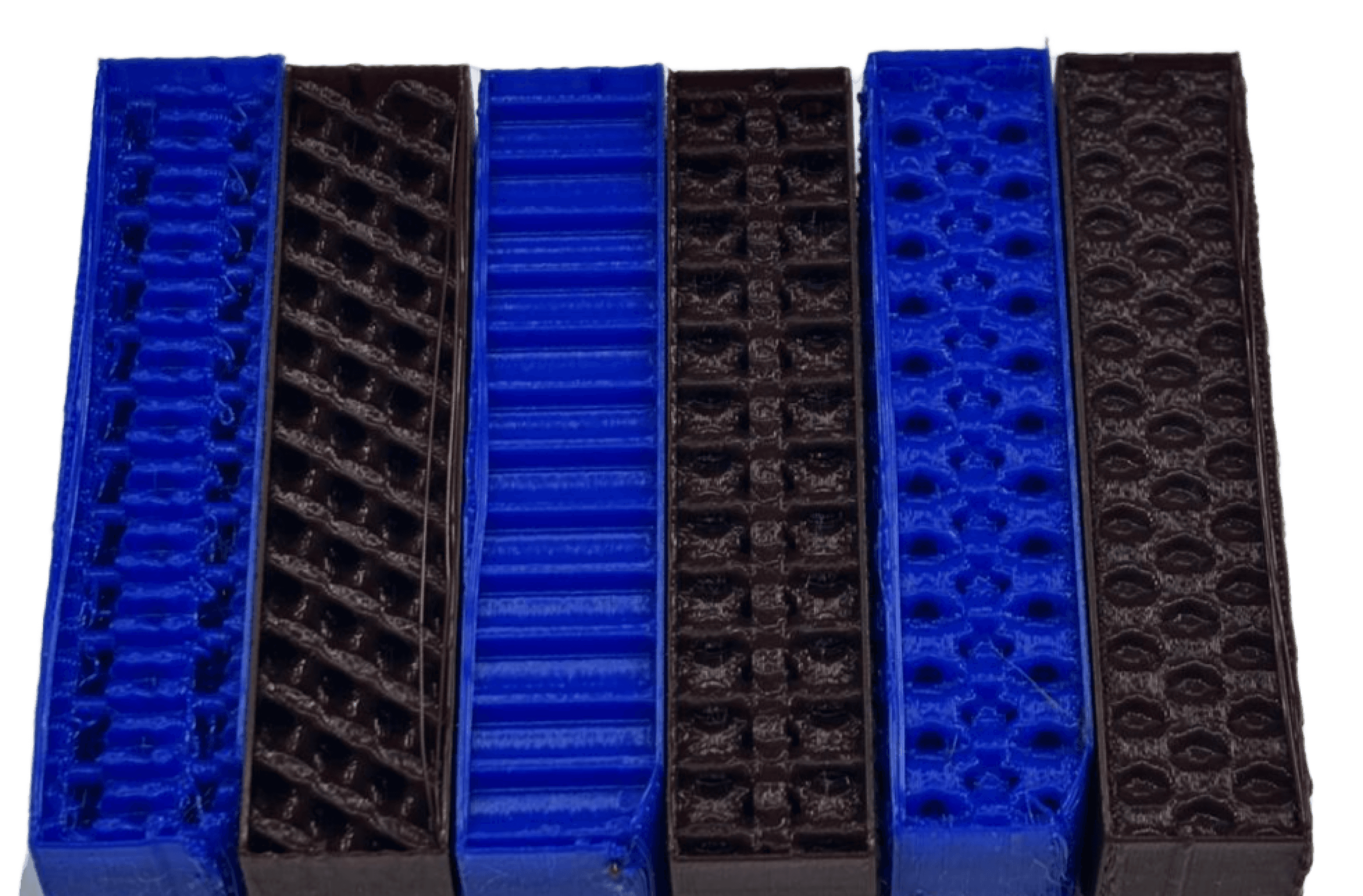
Lattice enclosure
Interchangeable lattice structures
Phone
Snap fit for sealing box
Iwatch
placement

Decibel measurement
Experiment Setup
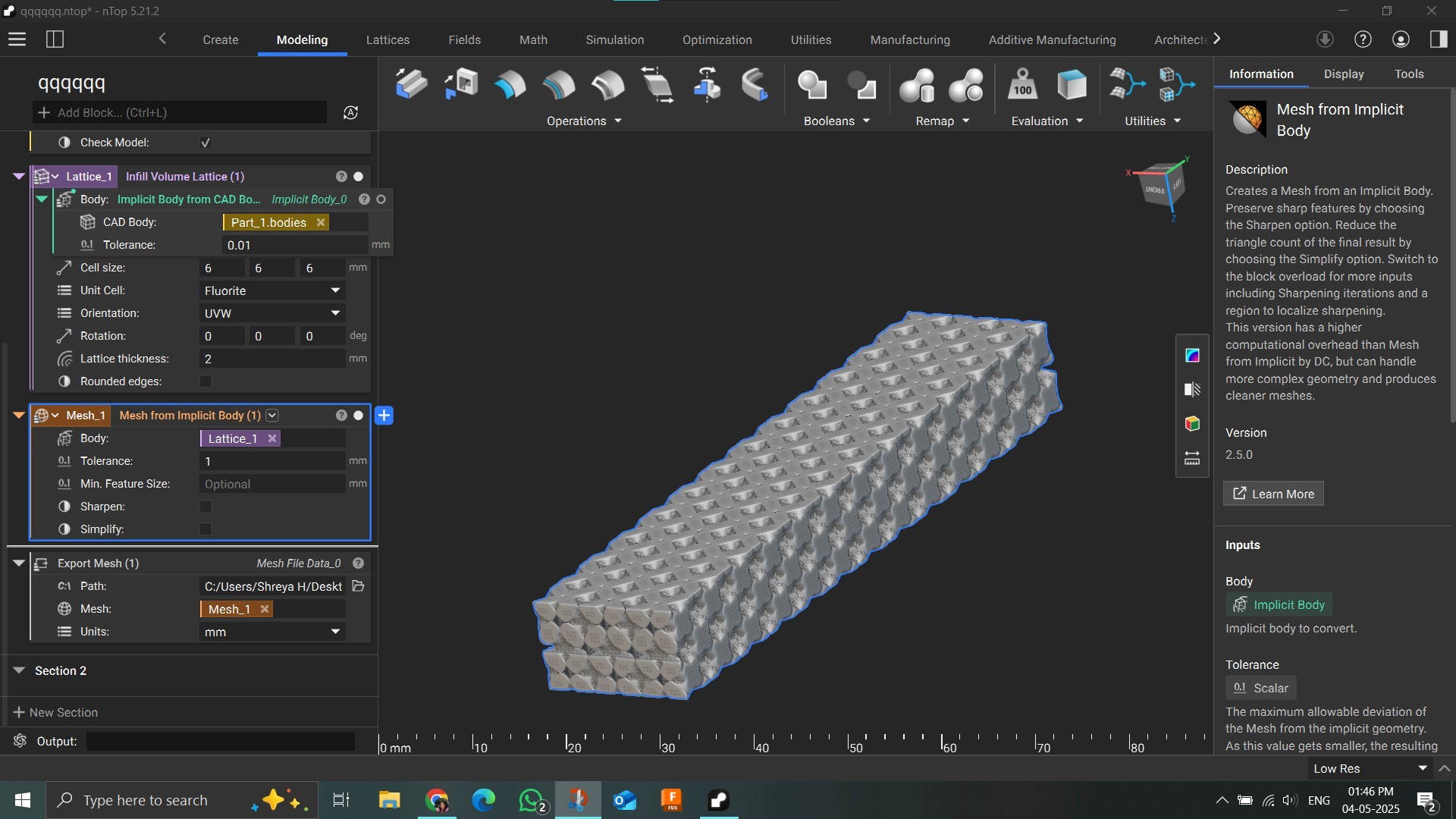
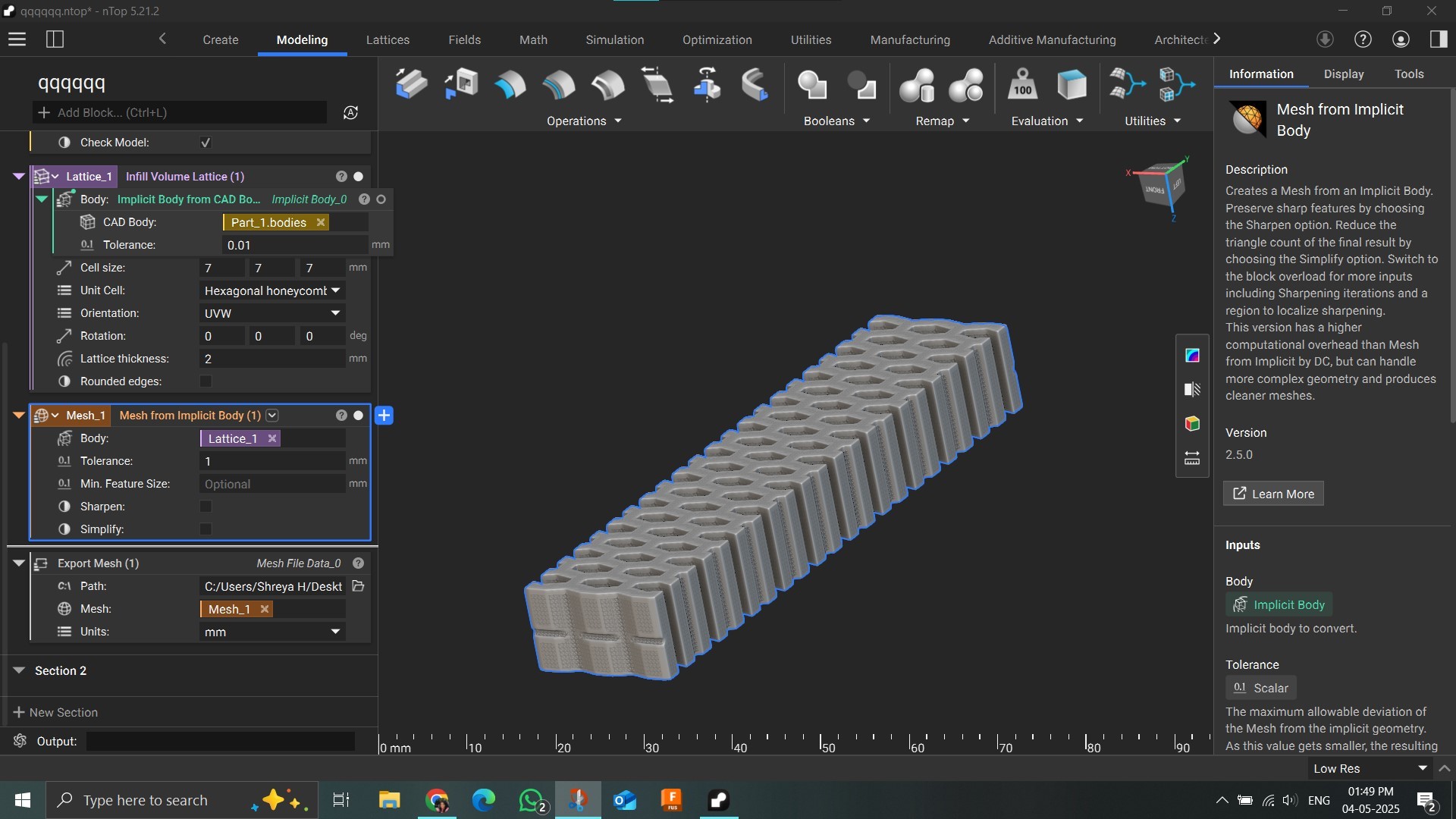
Designing cell topologies
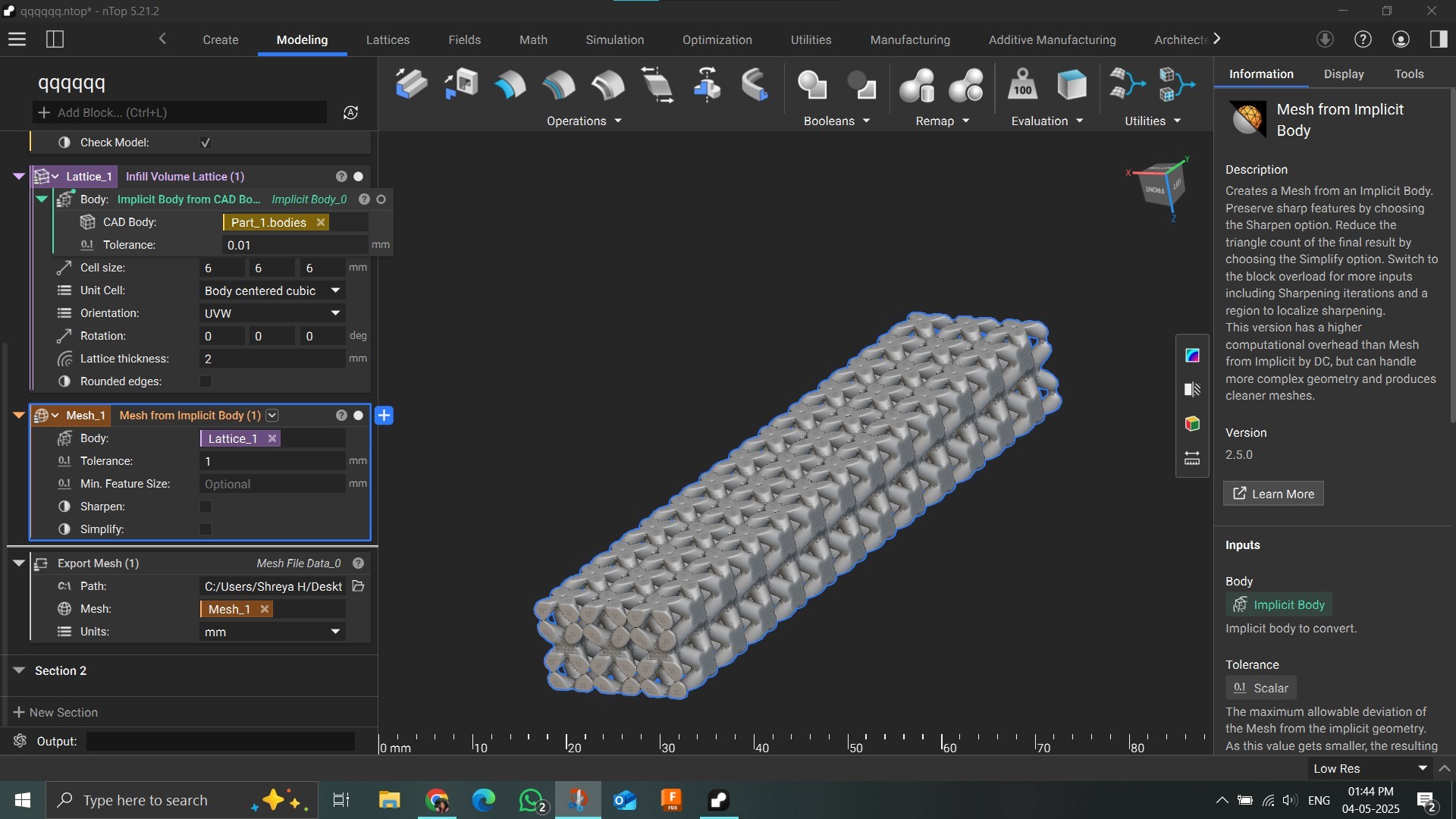
Body-Centered Cubic
Symmetricnode-cell
Body-Centered Cubic
Symmetricnode-cell
Face-Centered Cubic
Compactnode-linklattice
Hexagonal Honeycomb
2Dplanarstructure
Hexagonal Honeycomb
2Dplanarstructure
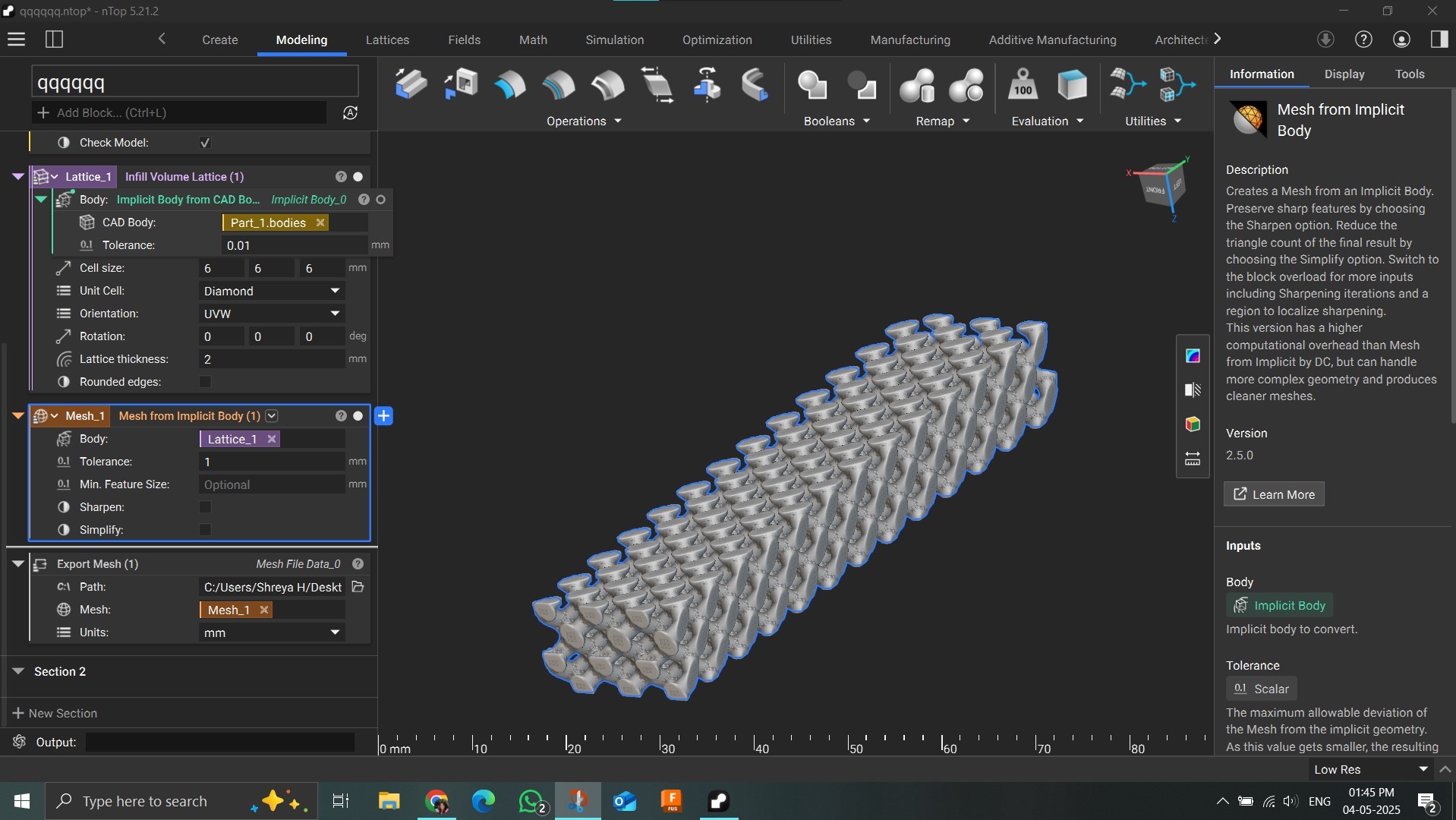
Diamond
TPMS like structure
Diamond
TPMS like structure
Fluorite
Dense closed cell
Fluorite
Dense closed cell
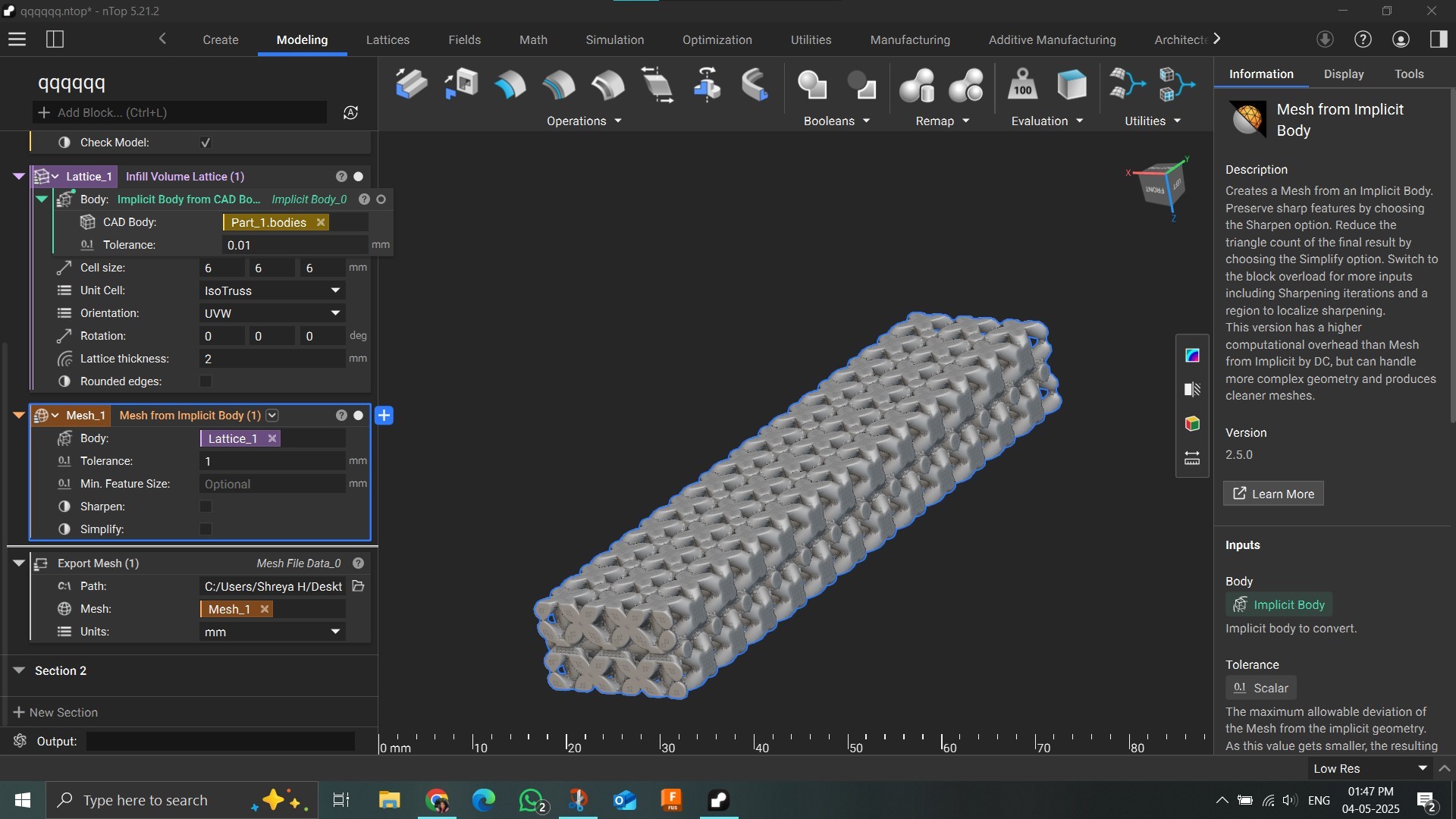
Iso truss
Truss-based columnar type
Iso truss
Truss-based columnar type
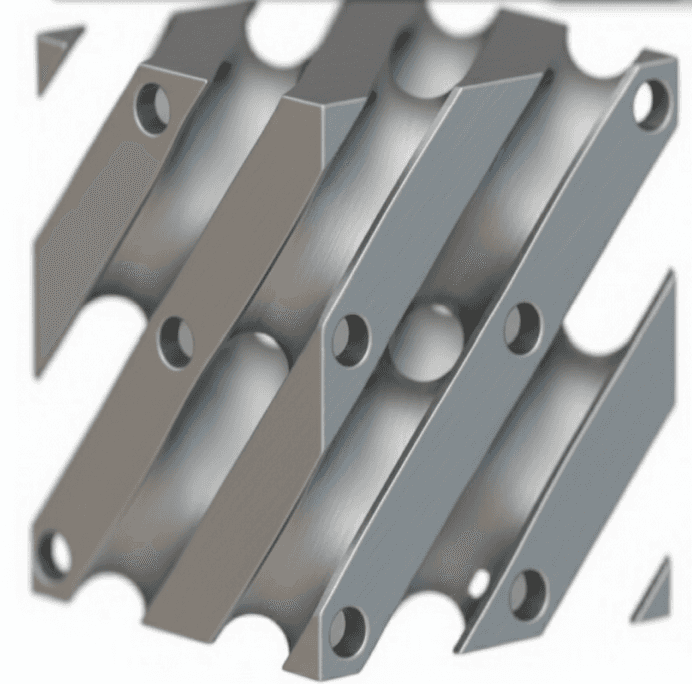
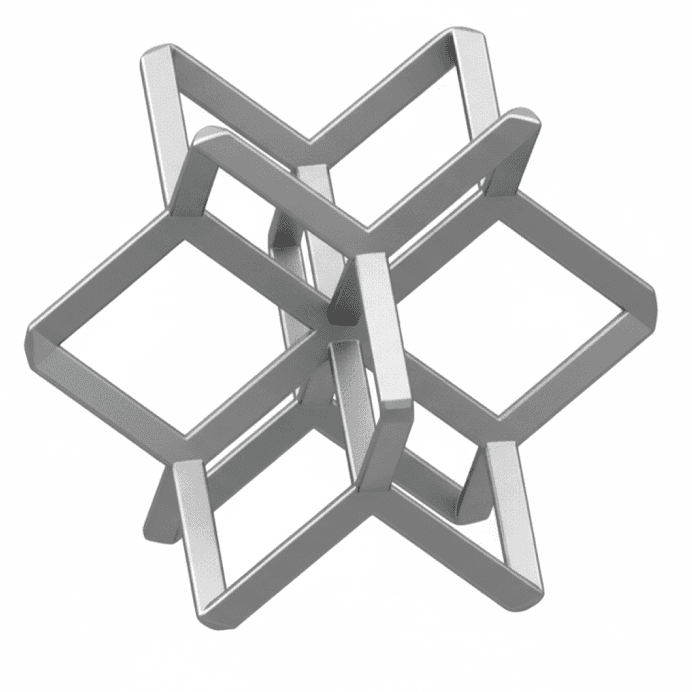



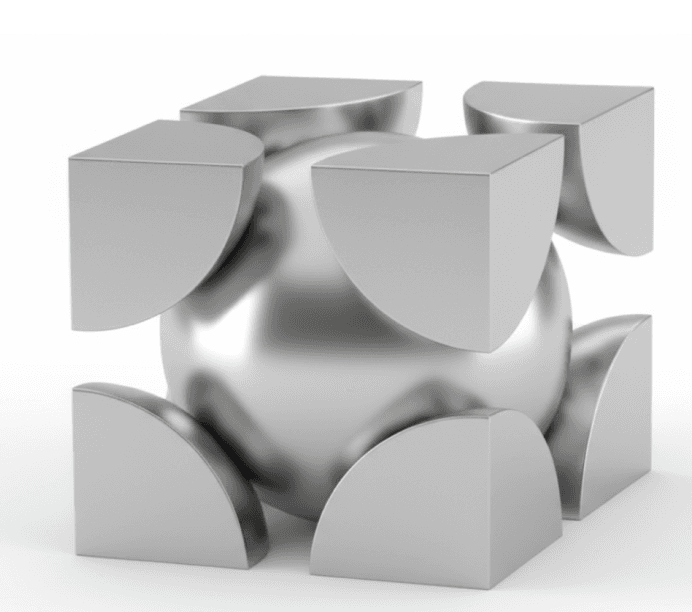

Face-Centered Cubic
Compactnode-linklattice
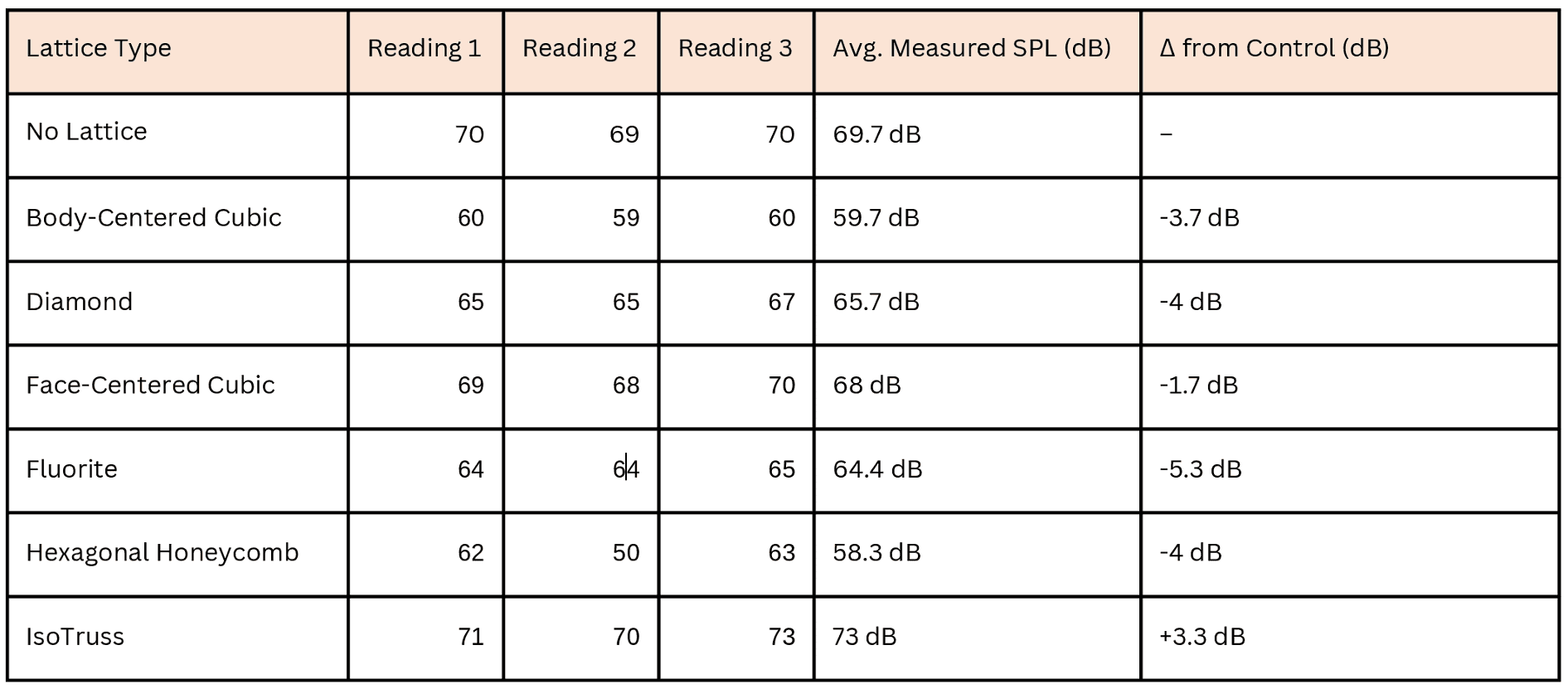
Data readings


Results

Pro & Cons analysis

This data reveals that lattice geometry can play an important role in acoustic damping performance. The Hexagonal Honeycomb and Body-Centered Cubic structures were the most effective, as they reduced sound by 11.4 dB and 10 dB respectively compared to the no lattice control. These geometries likely disrupted the sound waves more effectively due to their tortuous paths and higher surface interaction. In contrast, the IsoTruss structure performed the worst, actually increasing sound transmission by 3.3 dB. This is likely due to its open, columnar design. Overall, closed or complex lattice geometries are more suitable for noise reduction applications.
“Closed and complex lattice geometries are more effective at reducing sound transmission than open, directional ones.”